
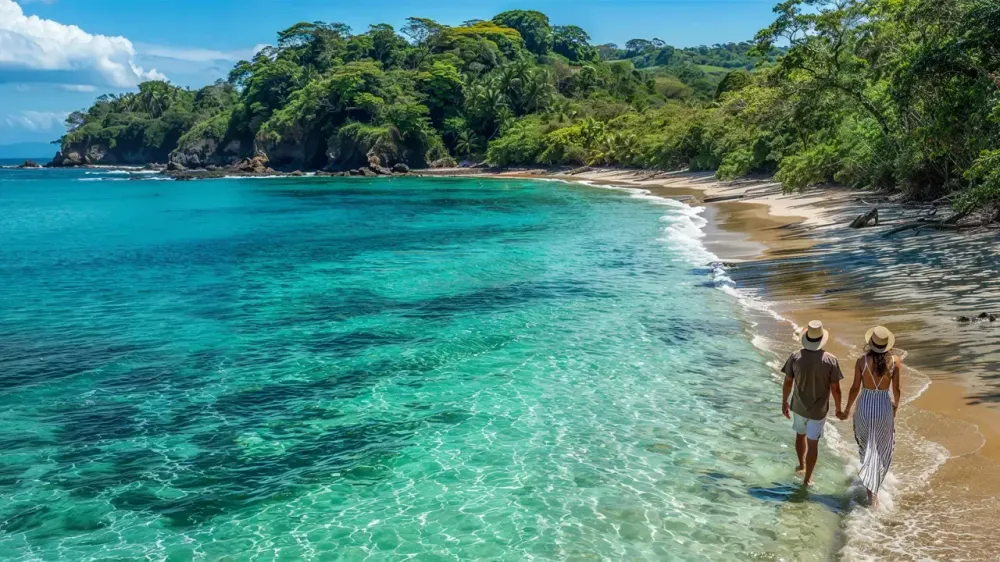
Costa Rica Travel Guide: How to Plan the Perfect Trip (+ Free Itinerary Planner)
With incredible scenery, rich biodiversity, and warm, welcoming people, Costa Rica is one of the must-visit destinations for nature lovers and holiday seekers alike. Spanning from the Caribbean Sea to the Pacific Ocean, this “Rich Coast” is home to over 500,000 species of plants and animals. From surfing the Central Pacific’s wild waves to hiking through the misty jungles of the Península de Osa, relaxing on cinnamon-tinted beaches in Nicoya, soaking in La Fortuna’s hot springs, or discovering wildlife in Parque Nacional Tortuguero, adventure awaits around every corner.
Whether you’re planning a trip to Costa Rica independently or through a travel advisor, it's best to start with a detailed Costa Rica Travel Guide to learn more about the country and explore Costa Rica Itinerary options that suit your travel style, needs, and preferences. This helpful all-in-one Costa Rica travel guide will assist you with exactly what you’re looking for. It includes everything you need to know about Costa Rica, from safety tips to a detailed overiview of regions, destinations, activitities, and everything in between. Adtionatlly, it also contains custom itineraries for different types of travelers to aid your planning. Select your preferences, trip duration, activities, and the kind of traveler you are — your customized itinerary will be ready for you instantly.
Note: The itinerary builder is in the footer of this post. Please note that it offers a limited selection of itinerary combinations based on available options.
Fun Facts About Costa Rica
A Few Things to Know Before Heading Out on Your Costa Rica Vacation
Time Zone: Costa Rica operates on Central Standard Time (CST), which is UTC -6 hours. The country does not observe daylight saving time, so the time remains consistent year-round, making it easy to keep track of your schedule.
Currency: Costa Rica uses the Costa Rican colon (₡), but don’t worry, U.S. dollars are widely accepted in most tourist areas, hotels, and businesses.
Language: Spanish is the official language, and many indigenous languages are spoken in specific regions. In popular tourist destinations and cities, you’ll find many locals speak English.
Language Tips:
Use these basic Spanish phrases to get help from locals when buying something, catching a public bus, or for any other situation.
Hello: Hola Thank you: Gracias Please: Por favor I don’t speak Spanish: No hablo español I’m lost: Kayboldum Can I have…?: …alabilir miyim? Where is…?: … nerede?
Common Phrases:
Use these widely known expressions to engage with Costa Ricans, they’re often appreciated by locals.
Pura Vida: Costa Rica’s famous phrase meaning “pure life.” You can use it to greet, say thanks, or express good vibes. Tico / Tica: Nicknames for Costa Ricans: “Tico” for men, “Tica” for women. Mae: Pronounced “my,” casual slang for “dude” or “friend.” ¡Qué tuanis!: Say “kay-TWAH-neece” to mean “how cool!” or “awesome!” Also, ¡Qué mae! has a similar meaning. Diay: Pronounced “dee-eye,” used like “hey” or “what’s up.” No pasa nada: Means “no worries” or “it’s all good.”
Why Costa Rica?
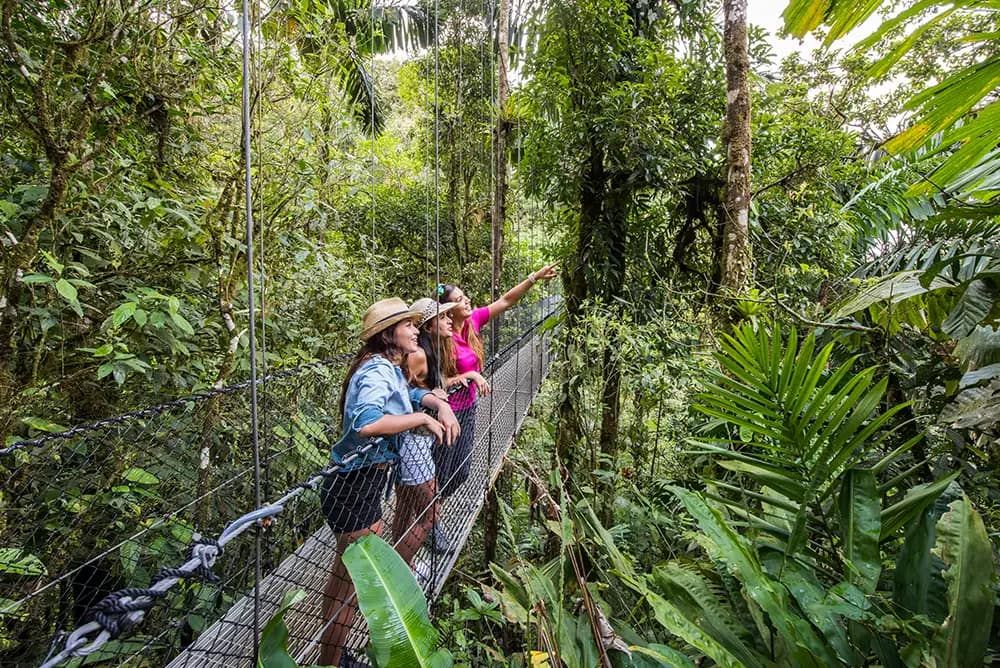
Costa Rica is one of the most popular destinations in Central America. It attracts surfers, expats, luxury travelers, backpackers, adventurers, digital nomads, and medical tourists. Whatever you’re looking for, Costa Rica has something for everyone.
From golden beaches to stunning volcanoes, a wide range of adventure activities, lush green jungles, and incredible wildlife, Costa Rica is a destination for nature lovers unlike any other destination around the world. Whether you're looking to take a break from work or a vacation, escaping the bustle of cities, Costa Rica lets you add whatever you can think of to your Costa Rica itinerary.
From world-class surfing in Tamarindo to the party vibe of Jaco, wandering the rainforests in the Península de Osa, some relaxation in the Península de Nicoya, and the wonderful natural springs of La Fortuna, Costa Rica has everything that makes it an ideal destination for your next trip.
- Adventure without Limits: Surf, volcano treks, waterfalls, whitewater rafting, etc.
- Wellness & Relaxation: Beach mornings and jungle evenings reset your pace; wellness options are limitless.
- Pura Vida Culture. Pura vida isn’t just a saying — it’s how Costa Rica lives and thrives.
---------------------------------------------------------------------
(Intractive Section 1) Costa Rican Regions Map: Coding Needed to Create Section
The 7 Regions of Costa Rica to Explore
Costa Rica spans just 200 miles from the Pacific to the Caribbean, but it packs in more beauty, biodiversity, and adventure than destinations twice its size. The country is split between seven regions, all with the unique charm of nature and biodiversity, and has something to offer for everyone. A compact tropical paradise that millions dream of exploring. Let’s begin reading the ultimate Costa Rica Travel Guide by learning more about these seven regions of Costa Rica that offer you a glimpse of what Costa Rica has to offer:
(Intractive Section Goes Here)
---------------------------------------------------------------------------------
(Intractive Section 2) on Activiteis & Costa Rica: Coding Needed to Create Section
Top Things to Do in Costa Rica
When it comes to things to do in Costa Rica, the country offers as many activities as you can expect to fill your Costa Rica vacation. We have listed in this Costa Rica travel guide a selection of unique activities and ways to discover Costa Rican culture and experience this tropical heaven. You can experience them all around the country, but primary destinations in Costa Rica include La Fortuna, Monteverde, Jaco, Manuel Antonio, Tamarindo, Papagayo Peninsula, Puerto Viejo de Talamanca, Tortuguero, Osa Peninsula, and San Jose. Check out the best activities in Costa Rica by clicking on your desired activities down here:
(Intractive Section Goes Here)
-------------------------------------------------------------------------------------
Best Time to Visit Costa Rica
Costa Rica is a year-round destination with beautiful weather and a peaceful climate throughout the year. But the best time to visit Costa Rica depends on your priorities such as weather, wildlife, crowd levels, and cost. There are two best seasons to visit Costa Rica:
- Dry season: December to April (best for beaches, hiking, and sightseeing).
- Green season: May to November (lush scenery, fewer crowds, but rainier).
Dry Season: Dry season is considered the best time of the year to visit Costa Rica if you're looking for holiday experiences. Peak tourist season falls between late December and early January and ends in April, when dry weather attracts travelers to beaches and national parks. While this is a popular time due to holidays and sunshine, the costs are generally higher, and there are large crowds during this season.
Green Season: For ideal weather and fewer tourists, nature lovers may prefer May to November, part of the "Green Season," when rain refreshes the forests. Wildlife viewing becomes exceptional during these months, including sightings of monkeys, migratory birds, humpback whales, and nesting turtles. Shoulder months (green season) like May, June, and November provide lower prices and fewer crowds while still offering good weather in many regions.
Ultimately, Costa Rica is a year-round destination with regional microclimates. Whether you're chasing sunny beaches or rainforest adventures, there's a perfect time for every traveler. Just avoid planning last-minute trips during peak holiday weeks, when accommodations fill quickly and prices surge.
Best Places to Visit in Costa Rica
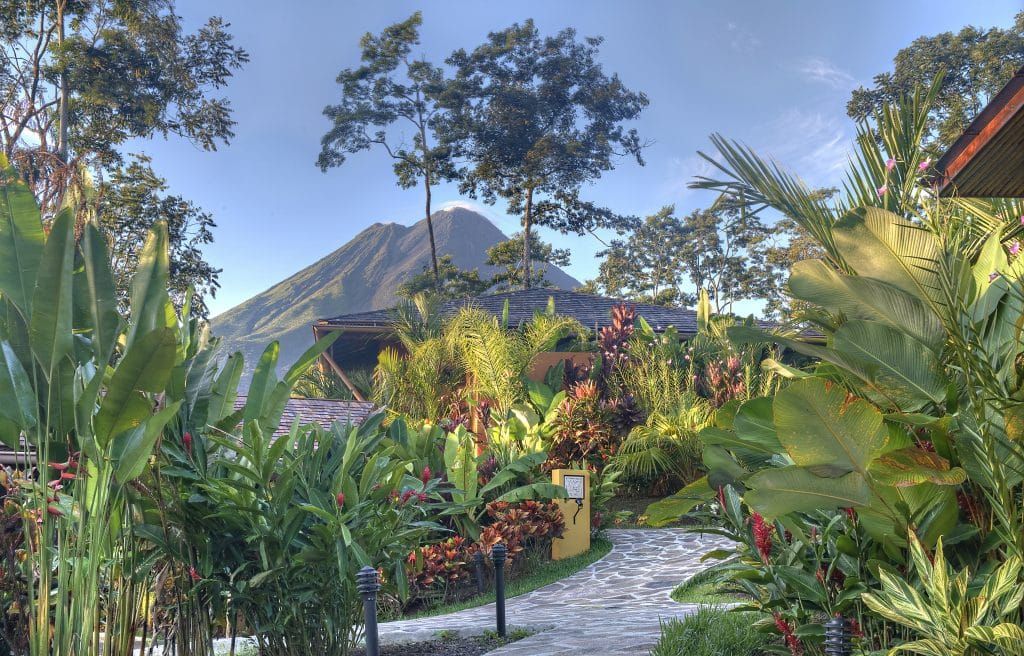
Costa Rica is a land of vibrant biodiversity, lush landscapes, and rich culture – a place where you can explore many great places all in one trip. Whether you're seeking thrilling adventures with incredible outdoor activities, bustling city life with cultural attractions and events, or stunning beaches with heart-pumping activities, Costa Rica offers something unforgettable for every traveler. We’ve carefully selected highlights in three key categories: Nature & Adventure, Best Cities, and Best Beaches, because no Costa Rica travel guide is complete without mentioning the highlights of this tropical paradise.
Nature and Adventure
Costa Rica’s rainforests, volcanoes, and national parks are a magnet for nature lovers and adventure seekers alike. The diversity here is staggering, from rare wildlife encounters to adrenaline-pumping hikes and waterfalls. Here are the top places to explore:
Manuel Antonio National Park: Though one of the smallest national parks in Costa Rica, Manuel Antonio packs in abundant wildlife, including sloths, monkeys, and vibrant bird species. Trails like Perezoso offer easy treks to spot sloths, while Punta Catedral rewards hikers with panoramic ocean views. Visiting early in the morning gives you a quieter experience, away from the crowds.
Arenal Volcano National Park: One of the most popular attractions and an iconic national park, Arenal Volcano dominates the landscape with its nearly perfect cone. Explore hiking trails that pass waterfalls and hot springs, or take in the views from the Observatory Lodge. Though volcanic activity has calmed since 2010, the area’s geothermal wonders and lush surroundings make it one of the must-see places in Costa Rica.
Corcovado National Park: For those looking to experience raw wilderness, Corcovado on the Osa Peninsula is an unmatched place that offers a pure glimpse of the natural wonders of Costa Rica. This remote national park features dense jungles where tapirs, jaguars, and scarlet macaws roam. The Los Patos to Sirena Trail offers challenging hikes through untouched nature. It’s an ideal place for nature lovers, but be sure to book permits and guided tours months ahead due to its popularity among eco-adventurers.
Others places to explore: Monteverde Cloud Forest Reserve, Tortuguero National Park, Rincon de la Vieja, Braulio Carrillo National Park, Tenorio Volcano National Park, and Cahuita National Park all offer unique ecosystems and thrilling outdoor experiences worth your time.
Best Cities to Explore in Costa Rica

Costa Rica’s cities combine culture, history, and easy access to natural wonders. Cities are great for everybody looking to explore the country’s cultural side, and they also serve as bases for travelers wanting to mix urban exploration with adventure. Here are the top Costa Rican cities and towns to explore:
San José: The bustling capital, San José, offers a rich cultural experience with museums like the Pre-Columbian Gold Museum and historic neighborhoods such as Barrio Amón. Markets and street food stalls provide an authentic taste of Costa Rican life. San José also makes a convenient base for day trips to different corners of the country.
Liberia: Known as the “White City” for its charming colonial architecture, Liberia is the gateway to Costa Rica’s Guanacaste region. This laid-back city offers easy access to stunning beaches, volcanic national parks like Rincón de la Vieja, and rich cultural heritage. Enjoy local markets, traditional cuisine, and warm hospitality in this vibrant yet relaxed hub.
Monteverde: Famous for its misty cloud forests and adventurous hanging bridges, Monteverde is a paradise for nature lovers. The peaceful Children’s Eternal Rainforest offers a quieter alternative to the busy main reserve, and the Monteverde Cheese Factory provides a taste of local tradition.
Other cities worth visiting: Heredia, Alajuela, Grecia, and San Isidro de El General each have their own charm and provide great gateways to exploring Costa Rica’s diverse landscapes.
Best Beaches in Costa Rica
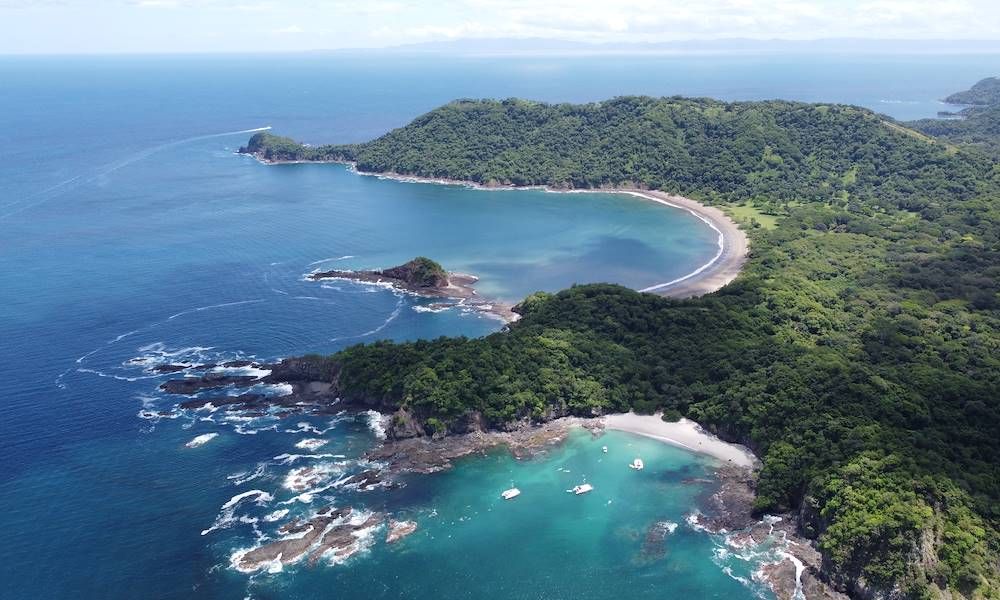
Costa Rica is known for its beaches, and not mentioning them in this Costa Rica travel guide would be totally unjustified. In fact, Costa Rica’s coastlines are dotted with spectacular beaches, each with its own personality—from surf havens to party towns—that attract millions to Costa Rica.
Tamarindo: A hotspot for surfers and beach lovers, Tamarindo is known for its lively nightlife, excellent waves, and wide sandy shores. It’s perfect for beginners and seasoned surfers alike, with plenty of restaurants, shops, and tours nearby.
Manuel Antonio: Beyond the famous national park, Manuel Antonio’s beaches boast powdery white sand and pristine waters ideal for swimming and snorkeling. It’s one of the most accessible and scenic beach destinations in the country.
Jaco: Jaco offers a vibrant town atmosphere with a long stretch of beach that attracts surfers and party-goers. Its central location makes it easy to explore nearby rainforests and waterfalls.
Other beautiful beaches to explore: Playa Santa Teresa, Playa Montezuma, Playa Conchal, Playa Hermosa, and Playa Flamingo all offer stunning coastal experiences with incredible holiday vibes.
Costa Rica Food and Drink
A Costa Rica travel guide will not be complete without talking about the incredible food of Costa Rica. In fact, Costa Rican food, mostly sourced from home-grown organic farming, is what drives the "Pura Vida" philosophy of the Costa Rican people. Thanks to its tropical climate, Costa Rican food is always fresh, nutritious, and delicious, and features a variety of locally grown fruits and vegetables.
Costa Rica’s vibrant food scene is a true reflection of its rich culture and lush environment, making it a must-experience part of your trip. Here are some of the most favorite dishes to try while on a trip in Costa Rica.
- Gallo Pinto: The iconic breakfast staple, this mix of rice and black beans is often served with eggs, plantains, and fresh sour cream.
- Ceviche: Fresh fish or shrimp marinated in tangy lime juice, mixed with onions, cilantro, and peppers for a refreshing, zesty treat.
- Casado: A hearty, balanced plate featuring rice, beans, salad, fried plantains, and your choice of meat, such as chicken, beef, or fish.
- Patacones: Twice-fried green plantain slices that are crispy on the outside and tender inside, often enjoyed as a side or snack.
- Olla de Carne: A comforting beef and vegetable stew simmered with yucca, carrots, corn, and potatoes — perfect for cooler evenings.
- Arroz con Pollo: A flavorful one-pot dish of rice cooked with chicken, vegetables, and herbs, often garnished with fresh cilantro.
- Chifrijo: A popular bar snack made from a layered combination of rice, beans, meat, and topped with pico de gallo and tortilla chips.
- Empanadas: Pastries stuffed with fillings such as cheese, beans, or seasoned meat, perfect for a quick and delicious bite.
- Tres Leches Cake: For dessert, this moist sponge cake soaked in three types of milk (evaporated, condensed, and cream) is a sweet way to end any meal.
- Agua Dulce: A traditional sweet drink made from melted sugarcane, served warm and perfect for pairing with breakfast or a snack.
Getting to Costa Rica
Costa Rica's easy accessibility is what makes it a top destination for many holiday seekers. There are regular flights to Costa Rica from major cities across North America, like Atlanta, Los Angeles, Miami, New York, and San Francisco, and many cities in Europe, including Frankfurt, London, Paris, Zurich, and Madrid. Direct routes are often available from North American hubs, with connections through European and other international cities.
There are two major airports in Costa Rica – San José Airport (Juan Santamaría International) and Liberia Airport (Daniel Oduber Quirós International Airport). Liberia is better for people looking to visit Guanacaste and its surroundings, and offers access to beach destinations like Tamarindo, which is known for its luxury resorts and beautiful beaches. Juan Santamaría International Airport in San José is best for most travelers looking for access to different regions of the country.
Getting Around: Transportation in Costa Rica
Costa Rica has incredibly organized transportation for visitors, with many options available. The most popular choices are:
Car Rentals
For smaller groups and families with up to 5 people, private car rentals often come as the best choice, offering flexibility and comfort for exploration. For larger groups, van rentals are handy, offering capacity for 12-15 people and taking them to the destinations they want to explore. They are also cost-effective as well as more flexible compared to public transportation.
Buses & Taxis
Buses are the most common form of public transportation in Costa Rica. While public buses are an option, delays may occur, they can be pricey when traveling between destinations, and rides are often long with less comfort. However, buses remain a great choice for budget-friendly trips. There is also a taxi service — official red taxis with a yellow triangle are registered and insured, and are a good option for getting around cities.
Where to Stay in Costa Rica
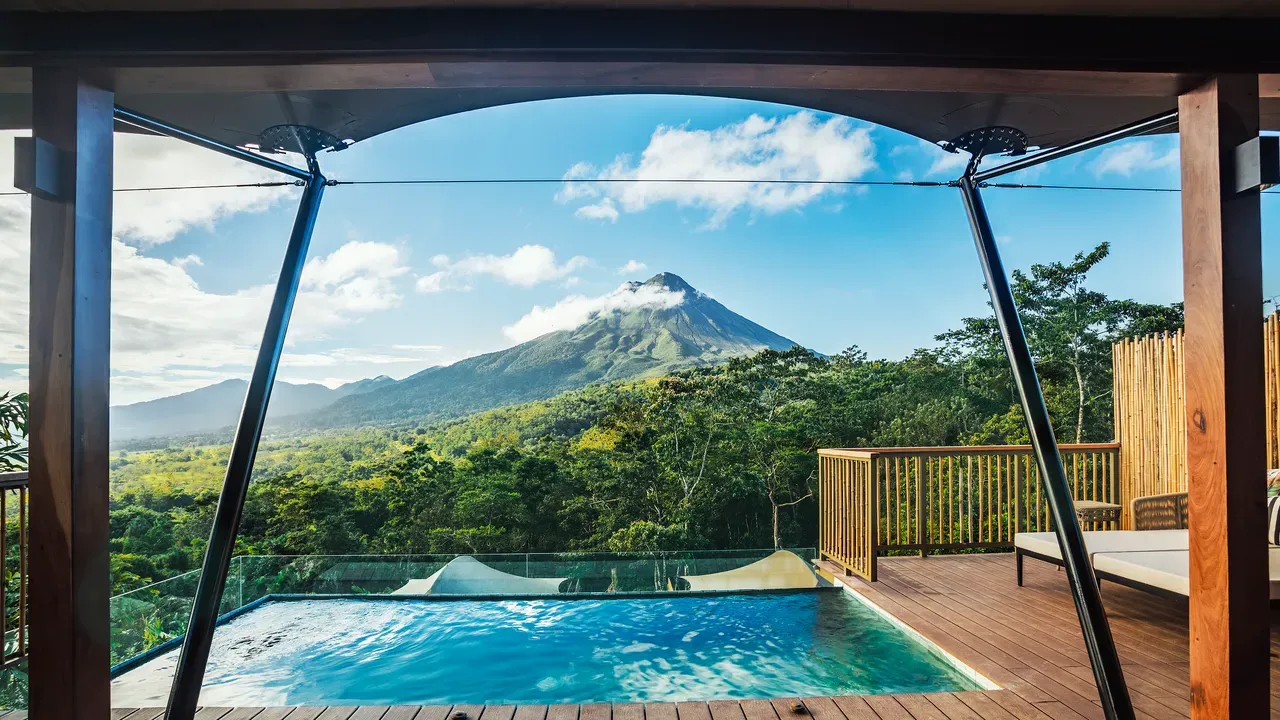
Costa Rica is full of natural wonders, culturally rich cities, and stunning beach towns. It has a variety of accommodation options that promote wellness with the pura vida philosophy, which aims to achieve maximum physical and mental well-being. Where to stay during a trip in Costa Rica depends on the type of traveler you are and what destinations are in your itinerary.
For a multi‑destination trip, base yourself in two to three strategic hubs such as San José or Alajuela for access to volcanoes and central routes, La Fortuna / Arenal for rainforest adventures, and either Guanacaste or the Nicoya Peninsula for beach escapes. This reduces long transfers and lets you day‑trip to nearby parks like Poás, Monteverde, or the Papagayo Peninsula. Booking multiple short stays is generally better than one fixed hotel for the whole trip, roads are winding, and travel time often exceeds map estimates.
If your priority is nature, wildlife, and immersion, stay inside or adjacent to protected areas. In the Osa Peninsula / Corcovado, accommodations place you in the heart of the jungle and coastline with direct access to national park trails. On the Caribbean side, staying near Cahuita puts you steps from rainforest and beach, offering guided nature tours and wildlife encounters. For beaches and a family-friendly holiday, Tamarindo is undoubtedly the ultimate choice.
Hotels vs Resorts vs Other Options: What You Need?
Whether you're a solo traveler or a group, a budget traveler or a luxury traveler with no budget in mind, Costa Rica has suitable options for every category of traveler. These accommodations are sustainable and offer more than the needed amenities to make the trip memorable. Here is what you should look for depending on your requirements and the kind of experience you want during your trip:
- Hotels: Ideal for convenience, comfort, and central locations. Great for solo travelers, couples, or short stays, especially in cities like San José or tourist hubs like La Fortuna. Often include basic amenities like breakfast, Wi-Fi, and tour assistance.
- Luxury Resorts: Best for travelers seeking all-inclusive, high-end luxury experiences with amenities like pools, spas, gourmet dining, and private beach access. Perfect for honeymooners, families, or anyone wanting a pampered, worry-free stay.
- Private Villas: Great for privacy, scenic views, and spacious accommodations. Often include private pools and kitchens. Ideal for families, friend groups, or couples looking for a romantic or long-term stay.
- [Vacation Rentals / Group Rentals](https://maitritamarindo.com/en/blog/group-rentals-in-costa-rica-the-ultimate-guide): Budget-friendly and perfect for larger groups or families. Offer multiple bedrooms, shared living spaces, and home-like comforts. Suitable for reunions, retreats, or extended vacations.
- Eco-Lodges & Hostels: Best for budget travelers, nature lovers, and backpackers. Eco-lodges are typically located near national parks or reserves and offer sustainable, immersive experiences. Hostels provide social environments and affordable dorm-style rooms.
- Guest Houses: Cozy, often family-run accommodations that offer cultural immersion and a local touch. Great for travelers seeking simplicity, comfort, and personalized service at a reasonable price.
- Boutique Hotels: Small, stylish hotels with unique charm and character. Often feature local design, art, and intimate settings. Perfect for couples, digital nomads, or anyone looking for a more curated and memorable stay.
What to Pack for Costa Rica
Costa Rica’s diverse landscapes, from misty cloud forests to sun-soaked beaches, mean your packing list should be as varied as your itinerary. Whether you’re exploring the lush greenery of Monteverde or soaking up the sun along the Pacific coast, packing light and smart helps you stay comfortable and ready for whatever adventure comes your way. Here are the top things to pack when traveling to Costa Rica:
Clothing for Every Climate: Even though Costa Rica is a tropical country, temperatures can change dramatically depending on where you are. In the highlands or cloud forests, mornings and evenings can get cool, so bring lightweight layers; a breathable shirt and a light jacket go a long way. Quick-dry fabrics are ideal since they’ll keep you comfortable during sudden showers or sweaty hikes.
Rain Gear: Rain is part of the experience, especially if you’re visiting during the rainy season. A compact, reliable rain jacket is essential, not just to keep you dry, but to keep you comfortable while you explore the rainforest trails or coastal mangroves. Waterproof shoes or sandals with a good grip will make walking on muddy or uneven paths easier.
Sunscreen: Costa Rica sits just north of the equator, meaning the sun is strong year-round. A wide-brimmed hat, sunglasses, and reef-safe sunscreen are musts. Keep your skin protected so you can enjoy long days outdoors without worry.
Footwear for Adventure: Sturdy, comfortable shoes will take you from jungle hikes to town strolls. Hiking boots or trail shoes work well for rugged terrain, while sandals or water shoes are perfect for beaches, rivers, and casual evenings.
Tech and Travel Gear: A waterproof phone case or dry bag protects your valuables during water-based activities. And a portable charger keeps your devices ready for capturing memories or navigating through your adventures.
Extra Gear for Camping & Hiking: If you are looking for some extreme adventure and have ideas around camping or group hiking, you must pack essentials that help those adventures. Don’t forget a reliable first aid kit, extra batteries, a tent, a multi-tool, and weather-appropriate clothing to stay safe and comfortable in the wild.
Things to Know Before Traveling to Costa Rica
Visa and Travel Rules
Costa Rica offers visa-free access for many travelers from the US, Canada, and most of the EU, typically for up to 90 days. In addition, individuals with a valid visa or residency from the US, Canada, or the EU may also be exempt from needing a visa. Your passport must be valid for at least one day beyond your intended departure, though a six-month buffer is often recommended for peace of mind. Importantly, travelers must carry return travel proof—this means having a ticket that shows you will leave Costa Rica, whether it’s a return flight or a connection to another country. This rule applies whether you’re flying out or crossing a land border.
Sometimes, you may be asked at immigration to show where you are staying and whether you have enough funds for the trip which is a minimum of US$100.00 (one hundred US dollars) per month or partial month of legal stay in the country.
If you’re arriving from regions where yellow fever is present, mainly parts of Sub-Saharan Africa and South America, you’ll need to present a valid yellow fever vaccination certificate. Additionally, customs regulations require that any traveler carrying $10,000 USD or more in cash or equivalent securities declare this amount upon entry and exit. Failure to do so may result in the forfeiture of the money. Knowing these essentials beforehand will help you avoid surprises and start your trip smoothly.
Health and Vaccinations
While Costa Rica doesn’t mandate many vaccinations, it’s wise to be current on standard immunizations like Hepatitis A and B, Typhoid, Tetanus, and MMR before traveling. Yellow fever vaccination is mandatory only if arriving from infected countries. The country’s tropical climate makes protection against mosquito-borne illnesses crucial, especially dengue and Zika viruses, which are prevalent year-round but peak during rainy seasons.
To stay safe, use insect repellent containing DEET, wear long sleeves in the evenings, and consider sleeping under mosquito nets when staying in jungle or rural areas. Staying hydrated, eating well, and maintaining good hygiene will also help prevent common travel illnesses, letting you fully enjoy Costa Rica’s natural beauty and wellness culture.
Check updated information on vaccination needed to enter Costa Rica. You can visit the official website of VisitCostaRica.
Local Laws and Customs
Costa Rica takes its environmental protection seriously, with strict laws to preserve its rich biodiversity. It’s illegal to feed, touch, or disturb wildlife, with fines up to $3,000 for violations. Littering is also heavily fined, especially in national parks, protected forests, and beaches. Drug possession carries zero tolerance and can lead to imprisonment, so avoid any illegal substances. Public drinking laws restrict alcohol consumption in parks, beaches, and streets, and the legal drinking age is 18.
Smoking and vaping are banned in most indoor and many outdoor public spaces, particularly near schools and hospitals. Photography restrictions exist around airports, government buildings, and indigenous communities—always ask before taking pictures. Costa Ricans, known as Ticos, embrace the laid-back pura vida lifestyle, which means don’t expect rigid punctuality. Respect for local customs, such as waiting to be invited to sit when entering a home and accepting coffee when offered, goes a long way in building goodwill.
Common Scams to Look Out For
With tourism booming, some scams have surfaced and become common, like in any other destination. The common scams include the “flat tire scam,” which involves criminals puncturing your rental car’s tire, then pretending to help while stealing your belongings. Keep valuables locked in the trunk and stay alert if strangers approach your vehicle, or better, drive away before being approached by strangers. ATM skimmers are a concern; use machines inside banks during business hours and avoid standalone ATMs on the street.
Taxi drivers may try to overcharge by refusing to use the meter or taking longer routes. Always insist on the meter (“maría”) or agree on a fare upfront. Be cautious of unofficial guides offering steep discounts for national park entry; they may lead you to unauthorized entrances where theft can happen. Also, watch out for fake accommodation listings on social media and booking platforms. Book through official or reputable sources to avoid disappointment. If you’re traveling for medical purposes like dental tourism, make sure to check the license of clinics and their credentials and clinical history.
Food and Water Safety
Costa Rica generally maintains high food safety standards, especially in popular tourist areas. Tap water is safe to drink in most cities and towns, but if you’re traveling to rural or remote areas, or during the rainy season, it’s better to stick to bottled or purified water to avoid stomach upsets. Street food is often delicious and safe if you choose vendors with high turnover and visible cleanliness.
When eating fruits, wash them with purified water or peel them before consuming. Dairy products are mostly pasteurized, but if buying cheese or other items from small local producers, it’s wise to exercise caution. By following these simple precautions, you’ll enjoy fresh local cuisine without worry and get the authentic taste of Costa Rica’s culinary offerings.
Tips for Costa Rica Trip
Costa Rican people are incredibly helpful and welcoming, and offer world-class hospitality and respect to tourists. However, your Costa Rica trip should still be planned carefully with the following tips in mind:
- Safety in Costa Rica: Overall, Costa Rica is a very safe country, and there isn’t too much to worry about when visiting. The only thing to potentially avoid is hanging out alone at night because of thieves. It also helps with personal safety, as well as avoiding any kind of scams that happen around guided tours.
- Taxi Prices: While most taxi drivers are honest, in cases of being overcharged, try to use apps like Uber, which can also provide transparent pricing and affordable transportation.
- USD & Colones: Costa Rica’s official currency is Colones; however, USD is accepted in most places around the country. Keep some cash in colones for small or rural shops where USD might not be accepted or card machines are not available.
- Stay Hydrated: Costa Rica’s heat and humidity can dehydrate you fast, especially on hikes or beach days. Carry a reusable water bottle and drink regularly. Pack water and other essential items during hikes or guided tours around remote locations to avoid any potential health risks.
- 4x4 Rental: If you're traveling during the rainy season, roads might be wet and sometimes have potholes or river crossings. To maneuver properly, look for 4x4 car rentals that can take you through all kinds of roads, rainforests, and remote locations.
- Travel Insurance: It's always better to get travel insurance, knowing that Costa Rica is a country where adventure is widely celebrated. Adventurous and outdoor activities may bring some obstacles and injuries. Having travel insurance protects your well-being and reduces any potential medical expenditure.
- Don’t Leave Valuables Unattended: Petty theft can happen, especially on beaches, in rental cars, or in other public places. Never leave bags, phones, or cameras unattended, even for a quick swim or photo.
- Book Tickets to Parks & Attractions Ahead of Time: During peak seasons, it's hard to get a spot in nature reserves and activities/attractions. Try to get your tickets booked ahead of your visit or just after arrival.
------------------------------------------------------------------------------------------------------------------------------
Costa Rica Itinerary
If you’re planning to visit Costa Rica on your next trip and are confused about how long you should stay to explore the most places, these Costa Rica itinerary options might help you get started before creating your custom itinerary:
| Trip Duration | Who It Suits | What It Offers | What’s Required |
|---|---|---|---|
| 7 Days | First-time visitors, couples, families | A balanced mix of adventure and relaxation; a single destination | Moderate travel pace, organized transport, book key activities in advance |
| 10 Days | Curious travelers, photographers, and outdoor enthusiasts | Deeper exploration of 2–3 regions: nature, wildlife, beaches, culture | More transit time, flexible planning, and accommodations in multiple locations |
| 14 Days | Eco-travelers, retirees, digital nomads, honeymooners | Immersive experience: volcanoes, rainforests, beaches, cloud forests, multiple destinations | Well-paced itinerary, internal flights or long drives, moderate pre-planning for activities |
------------------------------------------------------------------------------------------------
(Intractive Section 3) for Itinerary: Coding Needed to Create This
Plan Your Custom Costa Rica Itinerary
Craft your perfect Costa Rica Itinerary for your upcoming trip in just a few steps.
Welcome to your personalized Costa Rica trip planner! This interactive section helps you design a travel itinerary based on your unique style — from beach escapes to jungle adventures, cultural gems to wildlife encounters. Choose your preferences, and we’ll guide you toward the perfect itinerary. Let’s build your adventure by selecting your preferences and interests!
Note: We have a limited number of combinations available, but we hope you find something that suits you.
(Intractive section goes here)
-----------------------------------------------------------------------------------------------------------
Frequently Asked Questions
How long to spend in Costa Rica?
The minimum recommended time for a Costa Rica itinerary is 7 days. It offers you a good mix of experiences, including beaches, rainforests, and wildlife. For a more relaxed experience, 10 to 14 days is ideal. It also depends on how much there is to see and how relaxed your trip will be. With 2 weeks in Costa Rica, you can hit most highlights and explore more of what Costa Rica has to offer. If you’re coming from anywhere in North America with less time on hand, a short 5-day trip is also possible.
How to get around Costa Rica?
The most convenient way to explore Costa Rica, especially if you’re doing a multi-destination trip, is by car rental or vans for larger groups. There are other options, including public transportation, Uber & taxis, and shuttle services on popular routes.
How expensive is Costa Rica?
Costa Rica is considered expensive due to its popularity as a tourism hotspot in Central America, with tourists and expats visiting different regions of the country. Do not expect prices to be like Southeast Asia or Mexico. Costa Rica is moderately expensive, similar to traveling in Europe or the United States, and is not considered a budget destination by any means. Costs vary significantly based on the travel style, needs, and preferences of the visitors. You can expect the following range of daily living costs in Costa Rica as a visitor:
- Budget (₡30,000–₡40,000 / $50–$75 per day): Simple with hostels or basic guesthouses stay, eat at local sodas, and use public transport. You can have a great time without spending much—just book early to save.
- Mid-range (₡55,000–₡120,000 / $100–$200 per day): Enjoy comfy hotels or private rentals, mix local and tourist-friendly meals, and rent a car. Perfect for adding some fun activities without stretching your budget too far.
- Luxury (₡150,000+ / $250+ per day): Treat yourself to upscale resorts, fine dining, and private transport. Ideal for exclusive experiences and relaxing fully in Costa Rica’s beauty.
Is Costa Rica good for families?
Yes, absolutely. Costa Rica is one of the most family-friendly destinations, with many options in everything from accommodations to activities. People are friendly and welcoming. Kids will love the experiences, and it’s even easier to travel with seniors and children.
Do you need to speak Spanish?
It helps, but it’s not essential. Most people working in tourism speak at least some English, especially in hotels, restaurants, and on tours. That said, having a few Spanish phrases is helpful but not required.
When is the best time to visit Costa Rica?
Dry season (December–April) offers good weather and ease of travel, while the “green” or rainy season (May–November) has fewer crowds, lush landscapes, and lower prices. Visit according to your preferences for weather and the experiences you want.
What are popular itineraries for Costa Rica?
Many travelers combine volcanoes (e.g., Arenal), cloud forests (e.g., Monteverde), and beaches (Pacific or Caribbean) to get a mix of wildlife, nature, adventure, and relaxation.
Is Costa Rica safe for travelers?
Generally, yes — the country is considered safe, especially in tourist-friendly areas. As with any destination, stay alert in unfamiliar places, avoid traveling alone at night, and watch for scams. Pickpockets and petty theft can occur in Costa Rica, To protect your belongings, avoid leaving valuables in plain sight in parked cars, use guarded parking when possible, and stay alert in crowded places like bus stations and markets. Wearing a money belt or using an anti-theft bag is a smart idea.